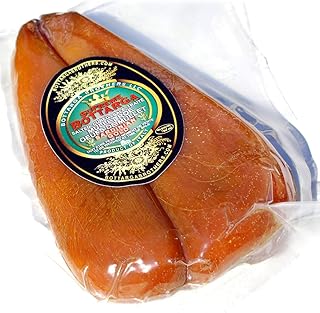
In the world of gourmet ingredients, few can match the intense, briny, and uniquely savory punch of Bottarga. Often referred to as "Sardinian Gold," this cured fish roe is a cornerstone of Italian and Mediterranean cuisine, prized for its ability to transform simple dishes into extraordinary culinary experiences. But what exactly is this delicacy, and why has it captivated chefs and food enthusiasts worldwide?
What is Bottarga?
At its core, Bottarga is the salted, cured, and dried roe sac of specific fish, primarily grey mullet (muggine) or tuna. The process is an ancient one, with roots tracing back to Phoenician and Carthaginian traders. The roe sacs are carefully massaged by hand to remove air pockets, then buried in sea salt for several weeks. After curing, they are pressed, shaped, and slowly air-dried for months, sometimes up to six, until they achieve a firm, waxy consistency and a deep amber to dark red color. The result is a concentrated umami bomb, a flavor that is intensely marine, slightly sweet, and wonderfully complex.
The Two Kings: Mullet vs. Tuna Bottarga
While both are exceptional, they offer distinct profiles. Grey Mullet Bottarga, like the renowned Bottarga Di Muggine from L'Oro di Cabras, is considered the classic. It has a more refined, balanced flavor with notes of the sea and a lingering nuttiness. Its texture is firm yet can be grated finely. Products like the Sanniti Bottarga Cured Mullet Roe exemplify this traditional style.
On the other hand, Tuna Bottarga, particularly from Sicily, is bolder and more robust. The Sicilian Grated Bluefin Tuna Bottarga offers a stronger, more pungent fish flavor with a richer, oilier mouthfeel. It's a fantastic choice for those who love powerful seafood tastes.
Whole vs. Grated: Choosing Your Format
Bottarga comes in two main forms, each with its advantages. Whole Bottarga, such as the beautiful Smeralda Whole Bottarga or the various sizes of "Sardinian Gold" Authentic Bottarga, is the purist's choice. You grate it fresh yourself, just before serving, which preserves its volatile aromas and maximum flavor. It's also stunning to present at the table.
Grated or Powdered Bottarga is all about convenience. Perfect for busy cooks, pre-grated versions like Sardinian Grated Bottarga or Le Mareviglie Grated Bottarga are ready to sprinkle. They are ideal for finishing dishes, mixing into sauces, or even baking. For a deeper dive into using this format, check out our complete guide to Grated Bottarga.
How to Use Bottarga in Your Kitchen
The beauty of Bottarga lies in its versatility. It's a finishing ingredient, meant to be added at the end of cooking or served raw to preserve its delicate flavor. Here are classic ways to enjoy it:
1. Pasta Perfection: This is the most famous application. Simply toss freshly cooked spaghetti (especially with garlic, olive oil, and a touch of chili flake) with a generous snowfall of freshly grated Bottarga. The heat of the pasta gently melts the roe, creating a creamy, luxurious sauce. For recipe inspiration, our guide on using Sanniti Cured Mullet Roe has great tips.
2. The Ultimate Topper: Grate it over creamy risottos, scrambled or soft-boiled eggs, steamed vegetables like asparagus or artichokes, or even simple bruschetta rubbed with garlic and tomato. It adds a layer of sophisticated salinity.
3. Seafood Enhancer: Pair it with other seafood. A few shavings on top of grilled fish, seared scallops, or a simple seafood crudo will elevate the dish immensely.
4. In Sauces and Dips: Mix grated Bottarga into mayonnaise, butter, or cream cheese for an incredible spread or dip. It also works wonders whisked into a lemony vinaigrette for salads.
Selecting and Storing Your Bottarga
When buying whole Italian Bottarga, look for a piece that feels firm and dry, not soft or oily. The color should be uniform. Authentic Sardinian Bottarga from regions like Cabras is highly sought after. Once opened, wrap the whole piece tightly in parchment paper and then in foil, storing it in the refrigerator. It can last for months. Grated Bottarga should be kept in an airtight container in the fridge and used within a few weeks for optimal flavor. For more detailed selection advice, our Bottarga selection guide is an excellent resource.
From the shores of Sardinia to your kitchen, Bottarga is more than an ingredient; it's a taste of history and tradition. Whether you opt for the convenience of pre-grated jars like Le Mareviglie or the ceremony of grating your own piece of "Sardinian Gold," this gourmet ingredient promises to unlock new dimensions of flavor. Start with a simple pasta dish, and you'll quickly understand why this salted fish roe is truly worth its weight in gold.